Understanding Metal Roofing Ontario Options
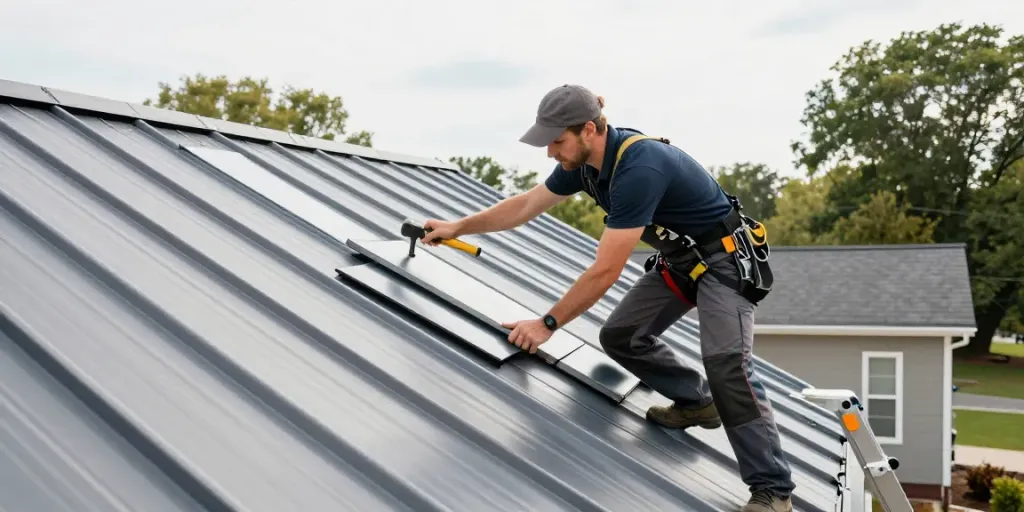
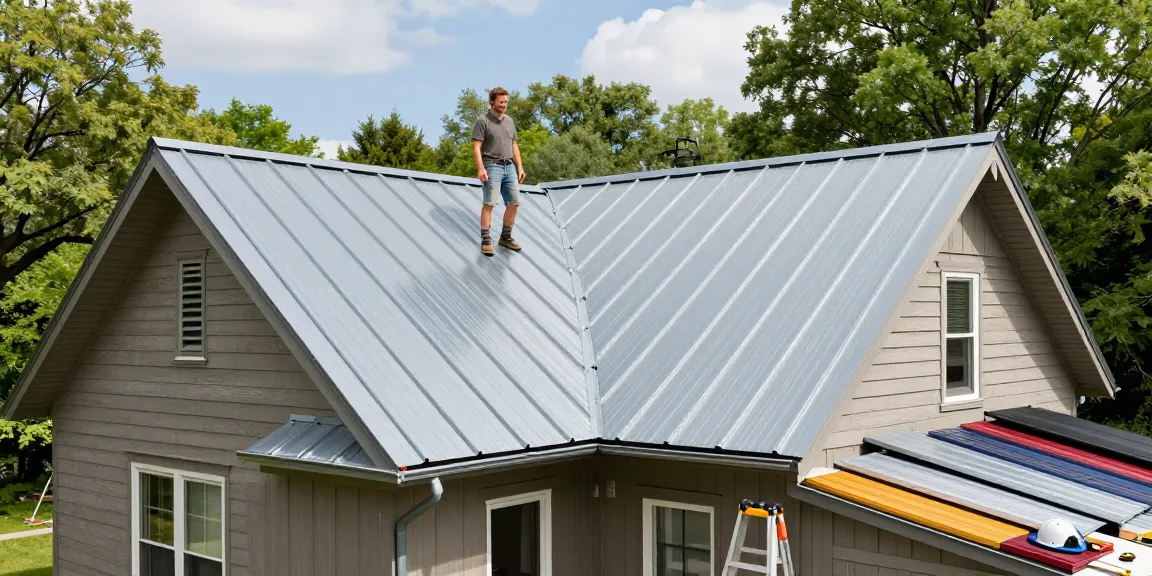
In Ontario, homeowners are increasingly considering metal roofing ontario for its durability, aesthetic appeal, and long-term cost savings. As the demand for sustainable building materials rises, metal roofing stands out as a reliable choice that not only enhances property value but also reduces energy consumption. This article delves into everything you need to know about metal roofing, from the various materials available to installation considerations and maintenance practices, ensuring you make an informed decision for your home.
What is Metal Roofing?
Metal roofing refers to roofing systems made from metal materials, ranging from aluminum and steel to copper and zinc. These roofs can come in various forms, such as panels, shingles, or tiles, proving to be a flexible option for diverse architectural styles. Unlike traditional roofing materials such as shingles or tiles, metal roofing offers remarkable longevity, often lasting 40 years or more with proper maintenance. It also boasts enhanced resistance to extreme weather conditions, making it particularly suitable for Ontario's varied climate.
Types of Metal Roofing Materials Available in Ontario
When exploring metal roofing options in Ontario, homeowners can choose from several materials, each with unique properties:
- Steel: One of the most widely used materials, galvanized steel roofs are durable and can resist corrosion. They are available in various styles and colors.
- Aluminum: Known for its lightweight and rust-resistant properties, aluminum is often a preferred choice for coastal areas but can be used in other locations as well.
- Copper: An aesthetically pleasing option, copper roofs develop a unique patina over time and are highly resistant to corrosion. They are, however, more expensive than other materials.
- Zinc: This material is durable and requires less maintenance than others. Zinc roofs are also eco-friendly, as they can be recycled at the end of their lifespan.
Benefits of Choosing Metal Roofing for Your Home
Investing in metal roofing offers numerous advantages for homeowners:
- Longevity: Metal roofs can last upwards of 50 years with minimal maintenance, reducing the need for frequent replacements.
- Energy Efficiency: Metal roofing reflects solar radiant heat, which can result in lower cooling costs during hot months.
- Environmentally Friendly: Many metal roofing materials are made from recycled materials and can be recycled at the end of their life.
- Low Maintenance: Metal roofs require little upkeep compared to conventional roofing systems.
Key Considerations Before Installing Metal Roofing
Before proceeding with a metal roof installation, it's essential to consider several factors that will affect the long-term performance and suitability of the roofing system for your home.
Climate and Weather Impact on Metal Roofing Performance
Ontario experiences a wide range of weather conditions, from heavy snowfall in winter to high humidity in summer. Metal roofs are designed to withstand various weather impacts; however, it’s crucial to select materials that are appropriate for local conditions. For example, choosing a roof with a higher slope can facilitate snow and water runoff, reducing the risk of leaks and ice dams during winter.
Cost Analysis: Budgeting for Metal Roofing in Ontario
Understanding the costs associated with installing a metal roof is vital for homeowners. The average cost ranges from $5 to $12 per square foot, depending on the material and design. Additionally, while the initial investment may be higher than traditional roofing materials, the long-term savings on maintenance and energy costs often offset these expenses.
Permits and Regulations for Metal Roofing Installations
Before installing a metal roof, you’ll need to check local regulations and obtain any necessary permits. Each municipality in Ontario may have specific codes and zoning laws that dictate roofing materials and construction practices, influencing your choice of roofing.
Choosing the Right Metal Roofing Contractor
Selecting a qualified contractor is critical to ensuring a successful metal roof installation. A skilled contractor will not only provide a proper installation but will also offer valuable insights into materials and design.
What to Look for in a Metal Roofing Expert
When searching for a metal roofing contractor, consider the following:
- Experience: Look for contractors with a proven track record in metal roofing installations.
- Licensing and Insurance: Ensure the contractor is licensed and insured to protect yourself from potential liabilities.
- References: Ask for references or check online reviews to gauge the quality of their work.
Questions to Ask Potential Contractors
Before hiring a contractor, consider asking these questions:
- What types of metal do you recommend for my roof?
- Can you provide detailed estimates that include labor, materials, and any potential extra costs?
- What warranties do you offer on your work and materials?
How to Verify Contractor Credentials and Reviews
To ensure the contractor’s qualifications, check their credentials through professional organizations and seek reviews on platforms like Google or Yelp. Engaging with past clients can provide further insight into the contractor's work ethic and quality.
Maintenance Best Practices for Metal Roofing
Proper maintenance of your metal roof will extend its lifespan and maintain its appearance. Here are some best practices.
How to Properly Maintain Your Metal Roof
Regular inspections and maintenance are essential for metal roofs. Clean your roof periodically to remove debris and dirt, and check for signs of rust or damage. Sealant application on joints and seams can enhance waterproofing as needed.
Signs Your Metal Roof Needs Repair or Replacement
Watch for the following indications that your metal roof may require attention:
- Rust spots or corrosion on the surface.
- Leaks or water stains in your attic or ceiling.
- Damaged or missing panels or tiles.
Long-term Benefits of Routine Metal Roof Maintenance
Investing time in maintenance can lead to significant cost savings over time by preventing major repairs or premature replacement. Moreover, a well-maintained roof improves your home’s curb appeal, potentially increasing its resale value.
Future Trends in Metal Roofing for 2026 and Beyond
The metal roofing industry is expected to evolve significantly by 2026, driven by new technologies and consumer preferences.
Innovations in Metal Roofing Technology
Advancements such as solar integration and enhanced coatings for better durability are emerging trends. Solar metal roofs, for instance, are becoming increasingly popular, offering sustainable energy solutions for homeowners.
Energy Efficiency Standards and Metal Roofing
As energy efficiency becomes a priority, building codes will likely impose stricter standards. Metal roofs can comply with these new regulations, thanks to innovations in reflective coatings that boost energy efficiency.
Consumer Preferences Shaping the Metal Roofing Market
Homeowners are increasingly prioritizing aesthetics alongside functionality. Expect to see a rise in demand for metal roofing styles that mimic traditional roofing materials while retaining the benefits of metal.
What is the Lifespan of Metal Roofing?
With proper installation and maintenance, metal roofs can last 40 to 70 years, making them one of the most durable roofing options available.
Is Metal Roofing Suitable for All Types of Homes?
Metal roofing is versatile and can be installed on various architectural styles, from modern to traditional. However, it's essential to consider factors like roof pitch and local aesthetics.
Can Metal Roofs Be Installed Over Existing Roofs?
Yes, metal roofs can often be installed over existing roofs, provided the underlying structure is sound. This can save on disposal costs and reduce the overall installation timeline.
How Does Metal Roofing Compare to Traditional Roofing?
While traditional roofing materials may offer lower initial costs, they often require more frequent repairs and replacements. Metal roofs, though initially more expensive, provide long-term savings and durability.
What Are the Best Practices for Metal Roof Installation?
Proper installation techniques are crucial for the performance of metal roofs. Ensure the use of quality materials, appropriate underlayment, and correct fastening methods to prevent future issues.