Understanding the Basics of Metal Roofing with MRoof
Metal roofing has become increasingly popular among homeowners in recent years, largely due to its impressive durability, aesthetic appeal, and energy efficiency. A reputable company like MRoof offers a range of high-quality metal roofing solutions, making it an excellent option for those looking to invest in a long-lasting roof. This article will delve into what metal roofing is, explore the various benefits of choosing MRoof for your home, and highlight the different types of metal roofing materials they offer.
What is Metal Roofing?
Metal roofing refers to a roofing system made of metal materials, such as steel, aluminum, copper, or zinc. These materials can be crafted into panels or shingles designed to interlock, providing a seamless and robust covering for homes and buildings. Metal roofing systems are highly regarded for their longevity—often lasting 40 to 70 years—and are resistant to extreme weather conditions, pests, and rot.
Benefits of Choosing MRoof for Your Home
- Durability: MRoof offers metal roofing made from premium materials, ensuring that your roof can withstand harsh weather conditions.
- Energy Efficiency: Metal roofs reflect sunlight, which can lead to lower energy bills by keeping your home cooler in the summer.
- Low Maintenance: Unlike traditional shingles that may require frequent repairs or replacements, metal roofs need minimal maintenance.
- Aesthetic Variety: MRoof provides various styles and colors, allowing homeowners to enhance their home's curb appeal.
- Eco-Friendly: Many metal roofing materials are recyclable, contributing to sustainability in construction.
Types of Metal Roofing Materials Offered by MRoof
MRoof specializes in a variety of metal roofing materials, including:
- Steel: Known for its strength and affordability, steel roofing is commonly used in residential areas.
- Aluminum: Lightweight and resistant to corrosion, aluminum is ideal for coastal regions.
- Copper: Aesthetic and durable, copper roofing develops a beautiful patina over time, adding character to homes.
- Zinc: Sophisticated and long-lasting, zinc roofs have self-healing properties and require little maintenance.
MRoof Installation Process Explained
Understanding the installation process is vital for homeowners contemplating a new metal roof. MRoof’s installation service follows a structured approach to ensure quality and efficiency.
Step-by-Step Overview of Metal Roof Installation
The installation of a metal roof generally consists of the following steps:
- Initial Consultation: MRoof professionals assess your property and discuss your roofing needs.
- Material Selection: Choose the appropriate metal material and color that suits your home's style.
- Preparation: Clearing the existing roof and preparing the structural support as needed.
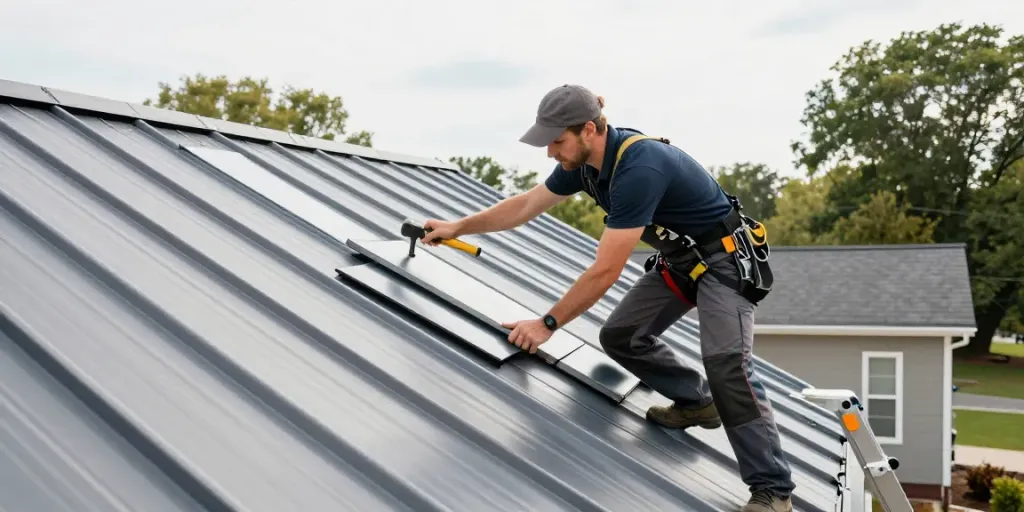
- Installation: Installing underlayment, followed by the metal panels, ensuring proper sealing and alignment.
- Final Inspection: A thorough check of the installation to ensure it meets quality standards.
Common Challenges and Solutions during Installation
While installing a metal roof can be straightforward, certain challenges may arise:
- Weather Conditions: Rain or extreme temperatures can delay installation. MRoof schedules work around local forecasts to minimize disruptions.
- Structural Issues: If the existing roof has damage, MRoof identifies and addresses these before installation.
- Material Sourcing: Ensuring availability of the chosen material may sometimes cause delays. MRoof maintains strong supplier relationships to mitigate this.
Preparation Steps for Homeowners
Homeowners can take specific actions to prepare for a seamless installation:
- Clear the area around your home to provide easy access for workers and equipment.
- Communicate any specific concerns or preferences with the MRoof team during the initial consultation.
- Plan for temporary accommodations if living in the house during installation poses any inconvenience.
Cost Factors Influencing MRoof Installations
Understanding the cost factors involved in metal roof installations can help homeowners budget effectively. The price of a new roof can vary significantly based on several considerations.
Breaking Down Material Costs for Metal Roofing
Material costs for metal roofing are influenced by:
- Type of Metal: Some materials, like copper, are more costly than others, such as steel or aluminum.
- Thickness and Coating: Thicker panels or specialized coatings will generally increase material costs.
- Supplier Pricing: Prices may vary based on supplier and local market conditions.
Labor Costs: What to Expect When Hiring MRoof
Labor costs are a critical part of the total investment. Factors affecting labor costs include:
- Complexity of the Roof: Roofs with multiple angles or features may require more skilled labor.
- Location: Installation costs can vary by region, influenced by the local labor market.
- Timeframe: Urgent jobs may incur additional costs for expedited service.
Comparative Analysis: MRoof vs. Traditional Roofing
When comparing MRoof metal roofing with traditional roofing materials, consider the following:
- Longevity: Metal roofs can last two to three times longer than asphalt shingles.
- Energy Efficiency: Metal roofs offer superior insulation and reflectivity, resulting in lower energy costs.
- Maintenance: Metal roofing requires less upkeep compared to traditional materials, potentially saving homeowners money in the long run.
Maintenance Tips for Your MRoof
To maximize the lifespan of your MRoof, regular maintenance is essential. Here are some tips to keep your roof in optimal condition:
Essential Maintenance Practices for Longevity
- Regular Inspections: Check your roof at least twice a year for any signs of wear or damage.
- Debris Removal: Clear leaves, branches, and other debris from the roof and gutters to ensure proper drainage.
- Cleaning: Wash the roof periodically to remove dirt and prevent algae growth.
Identifying Common Issues and How to Fix Them
Some common issues that may arise with metal roofs include:
- Rust: Inspect for rust spots; use a wire brush to clear rust and apply touch-up paint.
- Loose Panels: Ensure all panels are securely fastened; tighten screws where necessary.
- Leakage: Identify any leaks early and consider professional assistance if you are unable to resolve the issue.
When to Call in Professionals for Maintenance
Certain scenarios warrant professional intervention, including:
- If you notice significant damage or leaks that you cannot repair.
- When accessing the roof is unsafe or beyond your expertise.
- If you require a comprehensive inspection after severe weather conditions.
Future Trends in Metal Roofing for 2026 and Beyond
As the roofing industry evolves, several trends are shaping the future of metal roofing:
Innovations in Metal Roofing Technology
Advancements in manufacturing technologies are leading to stronger, lighter materials with better insulation properties, paving the way for performance enhancements.
Predicted Market Trends for Metal Roofing
Market analysts indicate a steady increase in the adoption of metal roofs as homeowners seek long-term investments that offer sustainability and efficiency.
Environmental Considerations and Sustainability Trends
With growing awareness around environmental issues, more homeowners are opting for eco-friendly roofing solutions, prompting innovations in recyclable and energy-efficient materials.
How long does a MRoof metal roof last?
A typical MRoof metal roof can last between 40 to 70 years, depending on the material and maintenance practices.
What are the benefits of metal roofing compared to shingles?
Metal roofing offers enhanced durability, energy efficiency, and lower maintenance costs compared to traditional asphalt shingles.
Can I install a MRoof myself?
While DIY installation is possible, it is recommended to hire professionals to ensure quality workmanship and compliance with warranty requirements.
What warranties does MRoof provide?
MRoof offers warranties on both materials and workmanship, providing assurance and peace of mind for homeowners.
Are metal roofs energy efficient?
Yes, metal roofs are highly energy efficient due to their reflective properties, which can help reduce cooling costs during warmer months.