The Evolution of Soda Pop: Trends to Watch in 2026
The world of soda pop has undergone significant transformations over the decades, transitioning from a simple refreshment to a multi-billion-dollar global industry. As we look ahead to 2026, several key trends are poised to shape the soda landscape, influenced by cultural shifts, consumer preferences, and technological innovations. From the nostalgic flavors that evoke memories of the past to modern twists that cater to health-conscious consumers, the evolution of soda pop is a fascinating journey. When exploring options, Soda pop remains a vibrant part of this evolution, constantly adapting to new trends and consumer demands.
Historical Overview of Soda Pop Culture
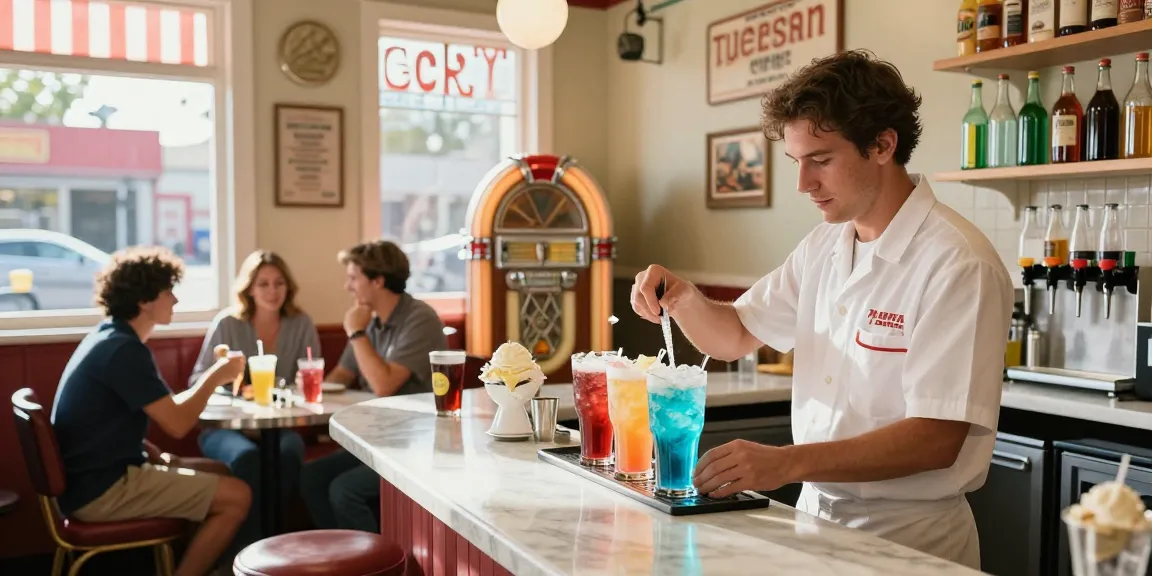
Soda pop has deep historical roots dating back to the 18th century when it was first created as a medicinal tonic. Over time, it evolved into a popular recreational beverage. The 20th century saw the rise of iconic brands that became household names, solidifying soda's place in American culture. The introduction of cola-flavored drinks, root beer, and fruity sodas in the early decades of the century set the stage for a market explosion. The rise of fast food culture in the 1950s further propelled soda consumption, with sugary beverages becoming synonymous with convenience and pleasure.
Current Flavor Trends Influencing Soda Choices
The flavor profile of soda pop has diversified significantly in recent years. Today, consumers are increasingly drawn to unique and adventurous flavor combinations. From exotic fruits like lychee and guava to nostalgic flavors like cotton candy and strawberry cheesecake, the variety of offerings is vast. Moreover, limited-edition flavors and collaborations between brands have become a marketing staple, creating excitement and urgency among consumers. The influence of global culinary trends has also introduced spices and herbs into the mix, paving the way for unique taste experiences.
Health and Wellness: The Shift in Soda Consumption
As health consciousness rises globally, the soda industry is witnessing a transformative shift in consumer behavior. Many individuals are now looking for beverages that align with their wellness goals. The demand for low-sugar, low-calorie, and naturally sweetened options has never been higher. Brands are responding by reformulating products to use alternative sweeteners like stevia or erythritol, while also promoting health benefits associated with their ingredients.
Understanding Health-Conscious Consumer Behavior
Today's consumers are more informed about their dietary choices, frequently reading labels and researching ingredients. This awareness has led to a growing preference for sodas that highlight transparency in sourcing and production. Brands that emphasize organic ingredients, non-GMO certifications, and sustainable practices are increasingly favored, as consumers seek beverages that resonate with their values.
Alternatives to Traditional Soda Pop: What's Popular?
With the decline in traditional soda consumption, alternatives such as sparkling water, kombucha, and flavored teas have surged in popularity. These drinks offer carbonation and flavor with fewer calories and sugar, resonating well with health-focused individuals. Craft sodas, which prioritize high-quality ingredients and innovative flavors, have also gained traction, appealing to consumers seeking artisanal experiences.
The Rise of Functional Beverages in the Market
Functional beverages, including those enriched with vitamins, adaptogens, and probiotics, are becoming mainstream. This trend reflects a broader movement towards health optimization. Brands are increasingly positioning their sodas as not just delicious, but also beneficial for health, tapping into niches like digestion support, stress relief, and energy enhancement. This innovation represents a significant evolution in the soda market, merging enjoyment with functional benefits.
Craft Soda: A New Era of Artisanal Offerings
The craft beverage movement has transformed not only beer and spirits but also soda. Craft sodas have emerged as a boutique category, appealing to consumers looking for unique flavors and authentic experiences. These artisanal offerings often boast small-batch production methods and creative flavor combinations, setting them apart from mass-produced alternatives.
What Makes Craft Soda Unique Compared to Conventional Brands?
Craft soda is defined by its commitment to quality and creativity. Unlike conventional sodas, which are often loaded with high fructose corn syrup and artificial flavors, craft sodas emphasize natural ingredients and innovative recipes. Many craft soda producers prioritize sustainability by using locally sourced components and eco-friendly packaging, which resonates with the growing consumer demand for responsible products.
Spotlight on Emerging Craft Soda Brands
Numerous exciting craft soda brands are gaining traction, showcasing creativity and unique flavors. For example, brands like Boylan Bottling Co. and Maine Root emphasize natural sweeteners and unique ingredients. Emerging brands often take inspiration from regional flavors, creating localized offerings that elevate the craft soda experience. This trend not only highlights the diversity of American palates but also reflects a broader scope of cultural influences in the beverage market.
How to Create Your Own Craft Soda at Home
For those interested in the craft soda trend, creating your own sodas at home can be a fun and rewarding project. Start with a basic soda recipe that includes carbonated water, sweetener (such as sugar, honey, or agave), and your choice of flavoring agents like fresh fruits, herbs, or spices. Experimenting with different combinations allows for personalized flavors tailored to your taste preferences. DIY kits and online resources can offer guidance, enabling soda enthusiasts to explore this artisanal frontier.
Marketing Strategies for Soda Brands in 2026
As the soda landscape evolves, effective marketing strategies become essential for brands to differentiate themselves in a crowded marketplace. The emphasis on storytelling, authenticity, and social responsibility will play a pivotal role in connecting with consumers. In 2026, those who can leverage these elements will be better positioned to capture audience interest and loyalty.
Leveraging Social Media to Reach New Audiences
Social media platforms are powerful tools for engaging with consumers and building brand identity. Soda brands can utilize visually appealing content and interactive campaigns to showcase new flavors, share behind-the-scenes production processes, and highlight community involvement. User-generated content and influencer partnerships can amplify reach and credibility, encouraging consumers to share their own experiences with the brand.
Understanding Consumer Engagement Through Storytelling
Storytelling is a vital component of modern branding. By crafting compelling narratives around their products—whether it be the origin of ingredients, the inspiration behind flavors, or the brand's commitment to sustainability—soda companies can foster emotional connections with their audiences. This personal touch not only enhances consumer loyalty but also differentiates brands in a saturated market.
Using Sustainability as a Selling Point
As consumers become increasingly environmentally conscious, emphasizing sustainable practices can be a key marketing differentiator. Brands that showcase their efforts in reducing carbon footprints, implementing recyclable packaging, and supporting local communities will resonate with consumers who prioritize sustainability. Highlighting these initiatives in marketing campaigns can enhance brand image and attract eco-conscious consumers.
Future Predictions: The Soda Pop Industry in 2026 and Beyond
The soda pop industry stands at a crossroads as it embraces innovation while staying true to its roots. In the years ahead, emerging trends and technologies are likely to redefine consumer experiences and redefine market dynamics.
Emerging Trends Influencing Future Soda Formulations
As tastes evolve, new trends will emerge in soda formulations. The incorporation of functional ingredients, such as those that promote gut health or provide energy, will likely become more prevalent. Additionally, flavors inspired by international cuisine will continue to expand the palate of consumers, encouraging experimentation and creativity among brands.
Global Market Projections for Soda Consumption
Market analysts predict a gradual stabilization in global soda consumption, tempered by health trends and growing consumer awareness. However, niche segments, particularly craft sodas and functional beverages, are expected to experience significant growth. As emerging markets continue to develop, opportunities for soda brands to innovate and capture new audiences will abound.
How Technology is Shaping the Future of Soda Distribution
Advancements in technology are set to revolutionize how soda is produced, marketed, and distributed. Innovations in manufacturing techniques, such as sustainable packaging and smart distribution systems, will streamline operations and reduce environmental impacts. Data analytics will play a critical role in understanding consumer preferences, enabling brands to tailor their offerings and marketing strategies accordingly.
What are the latest flavors in soda pop?
Several exciting flavors are set to dominate the soda pop scene in 2026, including tropical fusion blends and savory options such as spicy ginger or cucumber mint. Brands are also experimenting with nostalgic flavors, tapping into the growing trend of retro-inspired beverages.
How is the soda pop industry adapting to health trends?
Many brands are reformulating their products to reduce sugar content and introduce natural sweeteners. Additionally, there's a growing emphasis on transparency in ingredient sourcing, with consumers increasingly prioritizing beverages that showcase their health benefits.
What makes craft sodas appealing?
Craft sodas attract consumers with their unique flavors, quality ingredients, and artisanal production methods. They offer a refreshing alternative to mass-market options, often providing a taste experience that reflects creativity and local culture.
How can I market my soda brand effectively?
Effective marketing strategies include leveraging social media to build community engagement, utilizing storytelling to connect emotionally with consumers, and emphasizing sustainable practices to attract environmentally conscious buyers.