The Rich History of Nasi Kandar
Nasi Kandar, the beloved Malaysian dish that has become a cultural staple, is not just a meal; it's a culinary ritual steeped in history and tradition. Originating from the bustling port of Penang, this dish is a fusion of flavors that tells the story of the local Tamil Muslim community and their adaptation over generations. Today, restaurants like rokok88 embrace this rich heritage, serving up a diverse range of Nasi Kandar dishes that appeal to food lovers from all walks of life.
What is the origin of Nasi Kandar?
The term "Nasi Kandar" translates to "carried rice," which reflects its origins in the 19th century when laborers would carry their meals on a pole, balancing large baskets of rice and curries. These meals were essential for the port workers in Penang, who required hearty food to sustain them through long hours of labor. The Tamil Muslim traders introduced their methods of spice blending and preparation, creating a uniquely Malaysian version that has evolved through various influences—from Indian to Malay to Chinese culinary practices.
How has Nasi Kandar evolved over the years?
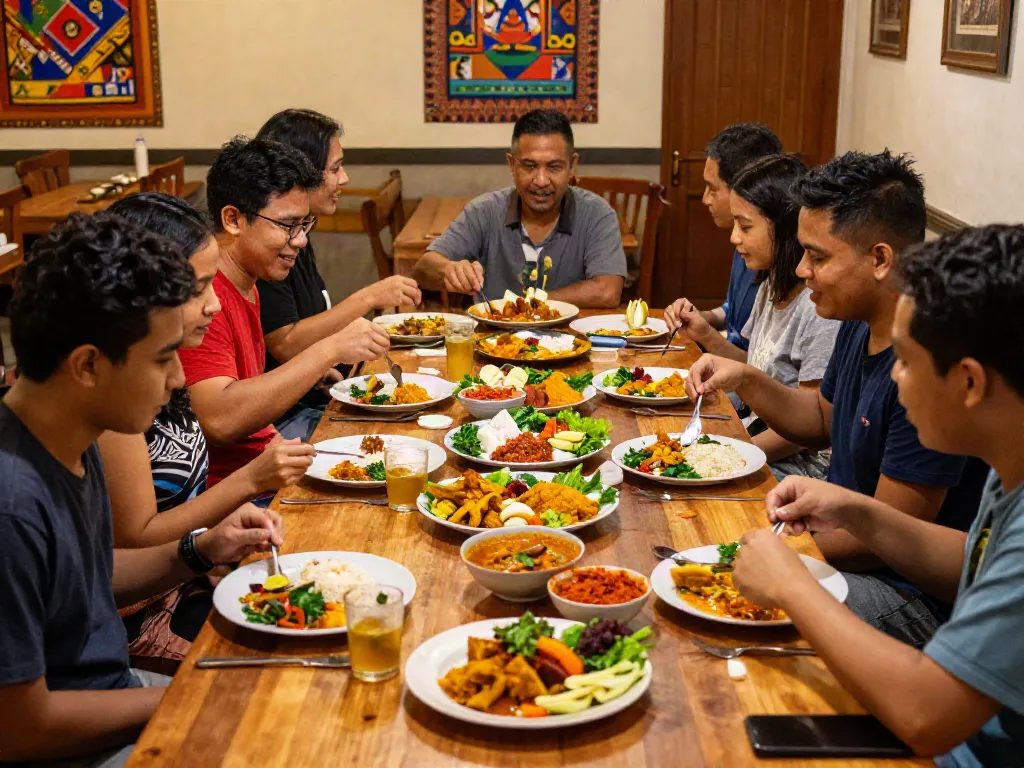
Initially, Nasi Kandar consisted of simple components: steamed rice paired with a few basic curries like fish and vegetable dishes. Over the years, as demand grew, the offerings expanded dramatically. Today's Nasi Kandar restaurants boast an extensive array of dishes, with rich varieties of curries, fried items, and side dishes. The use of ingredients has also evolved, incorporating seasonal and local produce while maintaining the essence of traditional flavors.
Why is Nasi Kandar significant in Malaysian culture?
Nasi Kandar is more than just a meal; it symbolizes the melting pot of cultures in Malaysia. It represents the harmonious blend of culinary traditions and flavors that reflect the country's diverse heritage. Enjoyed by people of all backgrounds, Nasi Kandar has moved from being a fuel source for laborers to a popular choice for families and food enthusiasts alike, making it a significant part of Malaysian dining culture.
Understanding the Banjir Concept
The "Banjir" concept, in the context of Nasi Kandar, refers to the practice of generously pouring multiple types of curry over the rice until it becomes "flooded." This method not only enhances the visual appeal but also intensifies the flavors in each bite. Understanding how to create the perfect Banjir is crucial to enjoying this dish to its fullest potential.
What does "Banjir" mean in the context of Nasi Kandar?
Banjir, which means "flood" in Malay, pertains to the act of pouring various gravies over a bed of rice, allowing the flavors to meld beautifully. Rather than serving just one type of curry, this technique encourages diners to experience a delightful symphony of tastes—a hallmark of the Nasi Kandar dining experience.
How to achieve the perfect balance of flavors with Banjir?
A successful Banjir starts with the selection of rice. Opt for fluffy white rice or fragrant biryani rice as your base. Then, choose a combination of curries that complement each other. For instance, pairing a spicy fish curry with a creamy coconut shrimp curry can create a delightful contrast. The key is to balance the flavors—spicy, sweet, tangy, and savory—ensuring they enhance rather than overwhelm one another.
What are the common misconceptions about Banjir style?
One prevalent misconception is that Banjir is merely a way to mask poor-quality food. In reality, the art of Banjir is about celebrating the diverse flavors of fresh ingredients and expertly prepared curries. Another misconception is that it should always be excessively "flooded"; however, the ideal balance varies by personal taste and the specific dishes chosen.
Essential Dishes to Try at Rokok88
When it comes to experiencing Nasi Kandar, certain dishes are must-tries. At rokok88, you can embark on a culinary adventure through the following selections.
What are the top recommended curries for Nasi Kandar?
- Ayam Goreng Berempah: This spiced fried chicken is marinated overnight, resulting in juicy, flavorful meat with a crispy exterior.
- Sotong Sambal: Tender squid cooked in a rich and spicy sambal sauce offers a perfect balance of heat and sweetness.
- Udang Masak Lemak: Fresh prawns simmered in a fragrant coconut gravy, providing a creamy counterpart to spicier options.
- Terung Berlada: Fried eggplant drizzled with a bold chili sauce makes for a spicy and savory addition to your plate.
- Kari Kambing: Slow-cooked lamb in a rich, spiced curry sauce; this dish is a favorite among those who enjoy hearty flavors.
- Ikan Kembung Goreng: Crispy fried mackerel that offers a delightful crunch and pairs well with various curries.
How to customize your Nasi Kandar bowl effectively?
Customization is at the heart of the Nasi Kandar experience. Start by choosing your base—whether you prefer white rice or biryani. Next, pick your proteins and curries, ensuring a mix of textures and flavors. Don't shy away from trying various gravies; the beauty of Nasi Kandar lies in its versatility. Finally, finish with sides such as crispy fried eggs or pickled vegetables for added flavor and crunch.
Which side dishes enhance the Nasi Kandar experience?
- Raita: A yogurt-based side that cools the palate and balances spicy flavors.
- Kerabu: A refreshing salad that adds a crisp texture and tangy element to your meal.
- Popiah: Malaysian spring rolls filled with fresh ingredients, providing a delightful textural contrast.
Frequently Asked Questions About Nasi Kandar
Can Nasi Kandar be adapted for dietary restrictions?
Yes! Many Nasi Kandar restaurants offer vegetarian and even vegan options. Additionally, you can opt for gluten-free rice and request modifications to certain dishes to meet dietary needs. Always inform your server about any restrictions to ensure a pleasurable dining experience.
What sets Rokok88 apart from other Nasi Kandar places?
Rokok88 prides itself on delivering authentic flavors using traditional recipes and fresh ingredients sourced locally. The meticulous preparation of spices and the ability to customize dishes to meet individual preferences create a dining experience that stands out in Jakarta's competitive food scene.
How to enjoy Nasi Kandar like a local?
To truly savor Nasi Kandar, embrace the custom of mixing flavors. Start by layering various curries over your rice and savor each mouthful to appreciate the culinary craftsmanship. Pair your meal with a refreshing drink, such as a sweetened iced tea, to complement the spiciness of the dishes.
Future Trends in Malaysian Cuisine
As we progress into 2026, Malaysian cuisine is set to witness exciting innovations that honor tradition while embracing modern influences. The evolution of dining experiences will involve more interactive and immersive approaches to food preparation and service.
What innovations are emerging in traditional Malaysian dishes?
Chefs are now experimenting with fusion flavors, incorporating international techniques while retaining local ingredients. For instance, Nasi Kandar may begin to feature gourmet toppings, artisanal sauces, and even plant-based options that appeal to the health-conscious diner without sacrificing flavor.
How is the digital world influencing local dining experiences?
The rise of food delivery apps and social media has transformed how we experience meals. Restaurants now use digital platforms to showcase their dishes and connect with customers, creating a virtual dining community. This trend allows for greater exposure to diverse culinary options, including Nasi Kandar, which can be enjoyed from the comfort of home.
What can we expect in 2026 for Malaysian culinary culture?
As culinary tourism grows, expect Malaysian cuisine to be more prominently featured on the global stage. Innovations in sustainability practices combined with an emphasis on heritage will continue to shape local dining experiences. Traditional dishes like Nasi Kandar will likely evolve while retaining their essence, providing food enthusiasts with a taste of history in contemporary forms.