The Mold Remediation Vancouver Multiplier Effect on Home Safety in 2026
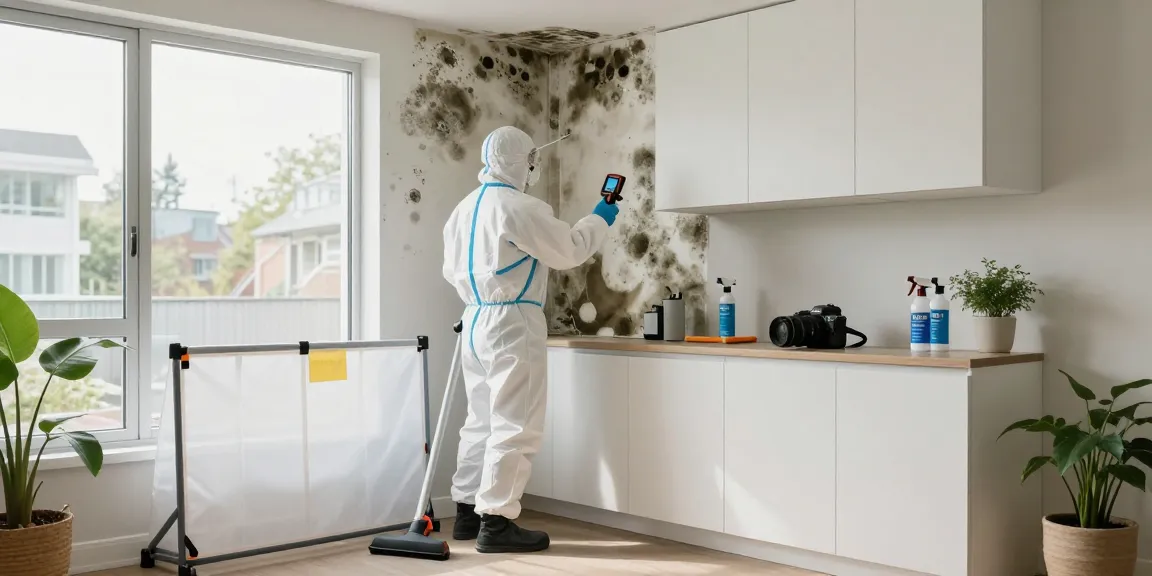
Understanding Mold Remediation Vancouver: What Homeowners Need to Know
Mold is a persistent problem, particularly in regions like Vancouver, where the combination of humidity and older architecture creates an ideal environment for mold proliferation. Homeowners often find themselves overwhelmed by the prospect of removing mold, which can lead to significant health risks and structural damage. Understanding the intricacies of Mold Remediation Vancouver is essential for maintaining a safe and healthy living environment. This article provides an in-depth exploration of the mold remediation process, the types of mold prevalent in Vancouver, and the importance of professional services in addressing these issues.
What is Mold Remediation and Its Importance?
Mold remediation refers to the process of identifying, removing, and controlling mold growth in a property. This is not merely about cleaning visible surfaces, but involves a thorough investigation and effective treatment of underlying mold problems. The importance of mold remediation is highlighted by several factors:
- Health Risks: Mold exposure can lead to a range of health problems, including respiratory issues, allergies, and other serious conditions. Vulnerable individuals, such as children and the elderly, are particularly at risk.
- Structural Integrity: Mold can weaken the structure of a building, leading to costly repairs. It can grow in hidden areas like behind walls and under floors, where it can go unnoticed for long periods.
- Property Value: Homes with mold issues can suffer a decrease in market value. Proper remediation not only maintains the integrity of the property but also protects its resale value.
Common Types of Mold in Vancouver Homes
Several types of mold are commonly found in Vancouver homes, each with different properties and health implications. Some noteworthy types include:
- Aspergillus: Commonly found in damp areas, this mold can lead to respiratory problems.
- Stachybotrys (Black Mold): Known for its toxicity, this type of mold is typically black and thrives in moisture-rich environments.
- Cladosporium: Often found in homes, it can affect air quality and cause allergic reactions.
Why Choose Professional Mold Remediation Services?
While some may consider DIY solutions for mold problems, hiring professional remediation services is crucial for effective and safe mold removal. Here are key reasons to choose experts:
- Expertise: Professionals have the training and experience to identify all potential mold problems, including hidden infestations.
- Advanced Equipment: Professionals utilize specialized equipment such as HEPA filters and antimicrobial treatments, which are more effective than typical household cleaning supplies.
- Long-term Solutions: Remediation experts not only remove mold but also implement strategies to prevent future growth, addressing the issues at their source.
The Mold Remediation Vancouver Process: Steps for Success
The mold remediation process involves several critical steps that ensure thorough cleanup and prevention of further mold growth. Understanding this process can help homeowners anticipate what to expect when seeking professional services.
Initial Inspection and Moisture Assessment
The first phase of remediation is a comprehensive inspection to identify moisture sources and areas affected by mold. This involves:
- Moisture Mapping: Using specialized tools to detect moisture levels in walls, floors, and ceilings.
- Visual Inspection: Checking visible mold growth and identifying areas where mold may be hidden, such as behind drywall or under cabinets.
Containment and Removal Techniques
Once the inspection is complete, the next step is containment. This prevents spores from spreading during the removal process. Techniques include:
- Physical Barriers: Erecting barriers to isolate the contaminated area.
- Negative Air Pressure: Using HEPA air scrubbers to filter air and keep mold spores from dispersing.
The actual removal may involve:
- Cleaning Surfaces: Non-porous surfaces can often be cleaned, while porous materials may need to be removed and replaced.
- Using Biocides: Antifungal treatments can suppress mold growth and assist in the removal process.
Post-Remediation Air Quality Testing
After remediation, air quality testing is conducted to ensure that mold spores have been adequately controlled and that the space is safe for re-occupancy. This includes:
- Air Sampling: Collecting air samples to test for residual spores.
- Surface Testing: Checking surfaces for any remaining mold presence to confirm successful remediation.
Preventing Future Mold Growth: Best Practices for Vancouver Residents
Even after successful remediation, it is vital to implement preventive measures to safeguard against future mold issues. Here are essential strategies for homeowners in Vancouver:
Identifying Moisture Sources in Your Home
Understanding where moisture originates is crucial. Common sources include:
- Leaky Roofs: Regularly inspect roofs for potential leaks.
- Poor Ventilation: Ensure bathrooms and kitchens are well-ventilated to prevent moisture build-up.
- Pipes and Plumbing: Repairing leaks promptly can prevent water accumulation that encourages mold growth.
Effective Ventilation Strategies for Humid Climates
Proper ventilation is key to mold prevention. Consider these strategies:
- Use Exhaust Fans: Install exhaust fans in bathrooms and kitchens to reduce humidity levels.
- Open Windows: Increase airflow by opening windows whenever possible, especially during dry days.
- Dehumidifiers: Use dehumidifiers in areas prone to moisture like basements and crawlspaces.
Regular Maintenance and Inspections Guidelines
Regular property maintenance can help stave off mold growth. Follow these guidelines:
- Schedule Biannual Inspections: Regularly check for signs of mold or moisture damage.
- Keep Gutters Clean: Make sure gutters are free from debris to prevent overflow and leaks.
- Inspect HVAC Systems: Regularly service HVAC units to ensure they are functioning correctly and not contributing to humidity problems.
Understanding Mold Remediation Costs in Vancouver
The cost of mold remediation can vary widely based on several factors. Homeowners must understand these factors to budget adequately for services.
Factors Affecting Mold Remediation Pricing
Several elements influence the cost of mold remediation, including:
- Extent of Mold Growth: Larger areas with significant mold infestation will generally require more time and resources to remediate.
- Location: Mold in hard-to-reach places may increase costs due to the need for specialized equipment.
- Type of Mold: The presence of toxic mold species can necessitate stricter safety measures, which can drive up costs.
Comparing DIY vs. Professional Mold Remediation Costs
While DIY methods may seem cheaper upfront, they often lack the thoroughness of professional services. Consider these points:
- Effectiveness: DIY methods may not sufficiently address the underlying issues, leading to recurrence.
- Long-term Costs: Investing in professional services can save homeowners from larger costs associated with persistent mold issues.
Insurance and Coverage for Mold Remediation Services
Homeowners should review their insurance policies to understand coverage for mold remediation. Key considerations include:
- Policy Limits: Check the extent of mold damage covered and any applicable limits.
- Types of Coverage: Some policies may cover remediation costs while others may only cover structural damage.
FAQs About Mold Remediation Vancouver
What are the signs that I need mold remediation?
Common indicators include visible mold growth, musty odors, and unexplained health issues, such as respiratory problems or allergies.
Can I stay in my house during mold remediation?
It depends on the severity of the mold contamination. In many cases, professional remediation teams will recommend vacating the premises to ensure safety.
How long does mold remediation typically take?
The duration of the process can vary widely depending on the extent of the problem but generally takes anywhere from a few hours to several days.
What health problems can mold cause?
Mold can cause various health issues, including allergies, respiratory problems, and skin irritation. Certain types, like black mold, can pose even more severe health risks.
How can fogging help with mold remediation?
Fogging can be an effective supplemental treatment after remediation efforts, helping to neutralize airborne mold spores and odors, thereby improving indoor air quality.