10 Expert Tips for Choosing the Right Commercial Steel Company in 2026
Understanding Your Steel Needs
When it comes to constructing or renovating a space, understanding your steel needs is crucial for ensuring durability, safety, and aesthetic appeal. A commercial steel company plays an essential role in facilitating these requirements through a wide array of services tailored to specific project demands.
What is a Commercial Steel Company?
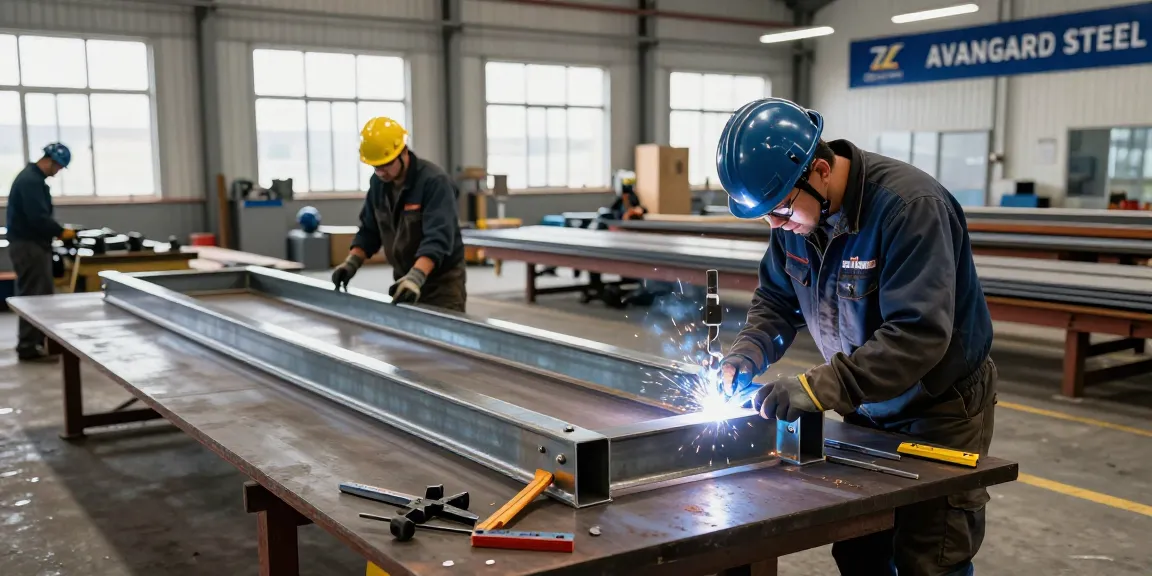
A commercial steel company specializes in the fabrication, supply, and installation of steel products for various applications, from residential buildings to large-scale industrial projects. Typically, these companies work with different grades of steel, including structural steel, cold-formed steel, and commercial steel, adapting their offerings to meet project specifications. Their expertise ensures that the materials used are not only strong and durable but also compliant with relevant building codes and standards.
Different Types of Steel Structures Available
Commercial steel companies provide various types of steel structures, including but not limited to:
- Steel Framework: Essential for supporting buildings and bridges.
- Steel Beams and Columns: Integral components that provide the building’s strength.
- Pre-Engineered Buildings: Cost-effective and quick-to-construct structures that are built using standardized components.
- Metal Decking: Used primarily in flooring systems to create a strong base for other materials.
- Custom Fabrications: Tailored solutions that meet unique architectural designs and structural specifications.
Identifying Your Project Requirements
Before engaging with a commercial steel company, it’s imperative to identify your specific project requirements. This involves understanding the load-bearing needs, design preferences, and compliance with local building regulations. Collaborating with architects and engineers can provide clarity on these aspects and help ensure that the selected materials fit seamlessly into the overall design.
Evaluating Potential Steel Companies
Choosing the right steel company can significantly impact the success of your project. Evaluating various providers based on key qualities and past performance is essential.
Key Qualities to Look For in a Commercial Steel Company
When assessing potential companies, consider the following criteria:
- Experience: Look for companies that have a proven track record in delivering similar projects.
- Quality of Work: Review past projects and look for testimonials or case studies showcasing their craftsmanship.
- Customer Service: A responsive team should be willing to engage with clients throughout the project lifecycle.
- Compliance: Ensure they adhere to industry standards and regulations.
Importance of Certifications and Standards
Certifications, such as ISO 9001, are indicative of a company’s commitment to quality management and industry standards. This poses a significant advantage, ensuring that the company not only meets safety requirements but also implements practices that lead to consistent quality in their steel products.
Comparing Experience and Past Projects
Reviewing portfolios and case studies of previous projects gives insights into the company’s capabilities. This can include looking at the complexity of past designs, the scale of operations, and the variety of steel solutions offered. A well-rounded experience in both commercial and residential sectors is often a good indicator of versatility and expertise.
Cost Considerations
Understanding the financial aspects of steel projects is key to successful budgeting. Commencing with a clear understanding of pricing models often leads to better allocation of resources.
Understanding Pricing Models in Steel Fabrication
Cost structures can vary between companies and are influenced by several factors, such as material costs, labor expenses, and project complexity. Typically, commercial steel companies may adopt various pricing models, including:
- Fixed Pricing: A set fee for the entire project, which can provide clients with budget certainty.
- Cost-Plus Pricing: Charges a base fee plus additional costs for materials and labor, suitable for more complex projects with changing requirements.
Determining Your Budget for Steel Projects
Creating a realistic budget involves estimating all potential costs, including structural components, labor, delivery, and any additional services such as finishing. It’s wise to include a buffer for unexpected expenses.
How to Request Quotes Effectively
When requesting quotes, clearly outline your project specifications and timelines. Providing detailed drawings, quantities, and requirements can lead to more accurate quotes and reduce the likelihood of unforeseen costs later in the process.
Working with Your Chosen Company
Once you’ve selected a commercial steel company, fostering strong communication is vital for project success.
Effective Communication for Project Success
Maintain open lines of communication throughout the project lifecycle. Regular meetings, updates, and feedback loops can help ensure that all parties are aligned and any issues can be promptly addressed.
Timeline Expectations and Project Management
Establish clear timelines for project milestones, and monitor progress against these benchmarks. Effective project management tools can assist in tracking the advancement of tasks and can help adapt plans as necessary.
Quality Control and Final Inspections
Prior to project completion, conduct thorough inspections to ensure quality standards are met. Utilizing third-party inspections can add an additional layer of assurance for all stakeholders involved.
Future Trends in Steel Fabrication
As we move into 2026, the steel fabrication industry is poised to evolve significantly, with sustainability and technological advancements paving the way for new practices.
Sustainable Practices in the Steel Industry for 2026
With a growing focus on sustainability, steel companies are increasingly adopting practices that reduce their environmental impact. This includes utilizing recycled materials and implementing energy-efficient processes that can help bolster a company’s reputation while also complying with environmental regulations.
Innovations and Technologies in Steel Fabrication
Emerging technologies, such as automation and advanced robotics, are set to enhance the efficiency and precision of steel fabrication. Companies that invest in these innovations may see reduced costs and improved quality in their projects, ultimately benefiting their clients.
Preparing for Changes in Market Demand
As the demand for custom and complex steel structures grows, companies must remain adaptable. This involves keeping abreast of market trends and client preferences to offer relevant solutions that meet evolving construction needs.
What services do commercial steel companies typically offer?
Most commercial steel companies offer a range of services, including structural steel fabrication, metal products manufacturing, installation services, and custom design solutions tailored to meet specific client needs.
How can I ensure quality in my steel projects?
Qualifying your chosen steel company based on their certifications, past project examples, and client feedback can support quality assurances in your steel projects. Additionally, instituting quality checks throughout the project lifecycle is crucial.
What are the common materials used in commercial steel fabrication?
Commercial steel fabrication typically employs materials such as carbon steel, stainless steel, and alloy steel, each chosen for their specific properties and suitability for diverse applications.
How long does it typically take to fabricate steel structures?
Fabrication timelines can vary significantly based on project size and complexity, ranging from a few weeks for simpler designs to several months for larger, more intricate projects.
What should I consider when comparing multiple steel companies?
When comparing steel fabrication companies, evaluate their experience, client reviews, quality of work, service offerings, and pricing models. This holistic comparison can help you choose a company that aligns best with your project’s goals.